Pressure Testing Before Walls Close
Bathroom Plumbing in Raymond for remodels, rough-ins, and full plumbing service from start to finish
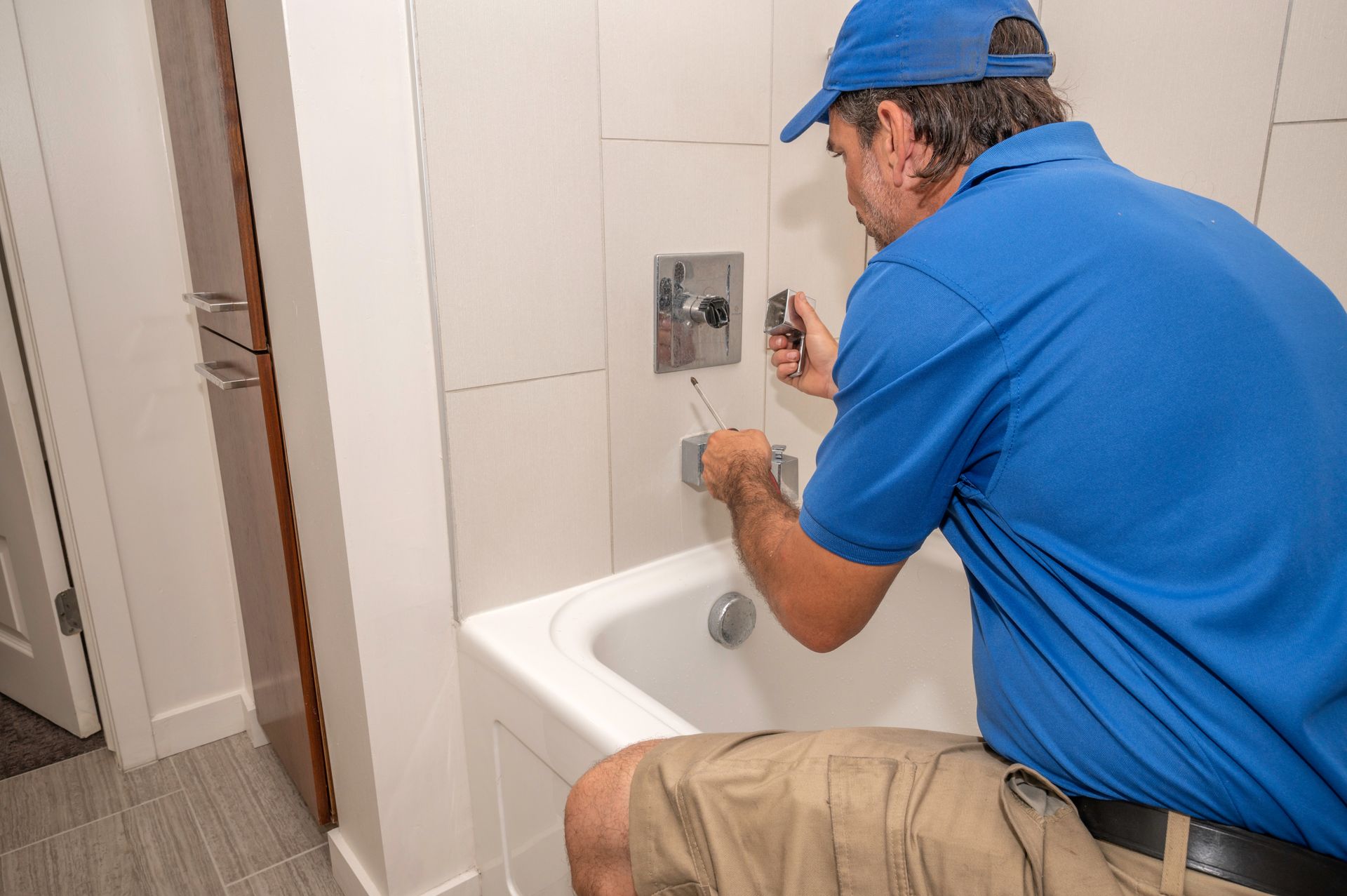
Mississippi's humidity season accelerates mold growth behind walls when bathroom supply or drain connections leak slowly, and older Byram and Raymond homes face this risk regularly during remodels when original plumbing gets disturbed. The work starts with inspecting existing drain slope and venting before roughing in new lines, because improper slope causes standing water in drain pipes and venting errors create sewer gas infiltration. Tru-Flow Services handles bathroom plumbing from rough-in to remodel across the greater Jackson area, and the same experienced crew manages every phase—no handoffs, no miscommunication between trades.
Supply lines are pressure tested after rough-in and before drywall goes up, which is a code requirement and a client-protective step that catches leaks while they're still accessible. Drain slope is verified with a level to confirm quarter-inch drop per foot, and vent stack connections are checked to prevent trap siphoning when multiple fixtures drain simultaneously.
Request a detailed estimate based on your current bathroom layout and the scope of plumbing work required for your remodel.
What Proper Drain Slope and Venting Require
Drain slope must fall at one-quarter inch per foot to move waste without allowing solids to settle in horizontal runs, and venting must connect upstream of the trap to equalize pressure and prevent water from being pulled out of the trap during drainage. When slope is too flat, waste sits in the pipe and attracts buildup; when slope is too steep, water outruns solids and leaves debris behind.
After the bathroom plumbing is complete and walls are closed, drains clear quickly without gurgling or slow flow, supply lines deliver consistent pressure to all fixtures without hammering, and no sewer odor enters the room because traps stay filled. Licensed and insured with 27 years of experience, Tru-Flow Services follows the inspection and pressure testing process on every bathroom job—it's standard procedure, not an upsell.
The start-to-finish approach means the same crew that roughs in the drains also connects the fixtures and tests the final system, so accountability stays in one place and nothing gets missed during transitions between rough and finish stages.
Common Questions About This Service
Bathroom plumbing questions tend to focus on testing procedures, venting requirements, and what happens when existing infrastructure doesn't meet current code.
What does pressure testing involve?
After supply lines are roughed in and before drywall is installed, the system is filled with water and pressurized to 80 psi for at least 15 minutes—any pressure drop indicates a leak that gets located and repaired while the walls are still open.
How is drain slope verified during rough-in?
A level is placed on horizontal drain runs to confirm quarter-inch drop per foot, and the slope is adjusted with hangers or blocking before the pipe is secured permanently.
When does venting become an issue in Byram and Raymond remodels?
Older homes often lack proper venting for added fixtures, and when a second sink or a separate shower gets installed, the vent stack may need to be extended or a new vent added to prevent trap siphoning.
What happens if the existing drain line is undersized?
The drain diameter is calculated based on fixture unit load, and if the existing line can't handle the additional flow, it gets replaced or supplemented with a larger-diameter section before new fixtures are connected.
Why does the same crew handle rough-in and finish work?
Handoffs between trades create gaps in accountability—when one crew roughs in the plumbing and another finishes it, problems that show up at the end are harder to trace, and callbacks take longer to resolve.
Tru-Flow Services follows the process all the way through—from inspection to pressure test to finish—so your bathroom plumbing is done right the first time. Schedule an on-site evaluation to review your remodel scope and existing plumbing configuration.