Checking What's Behind the Cabinet First
Kitchen Plumbing in Raymond for sink, dishwasher, disposal, and drain line services during remodels and fixture upgrades
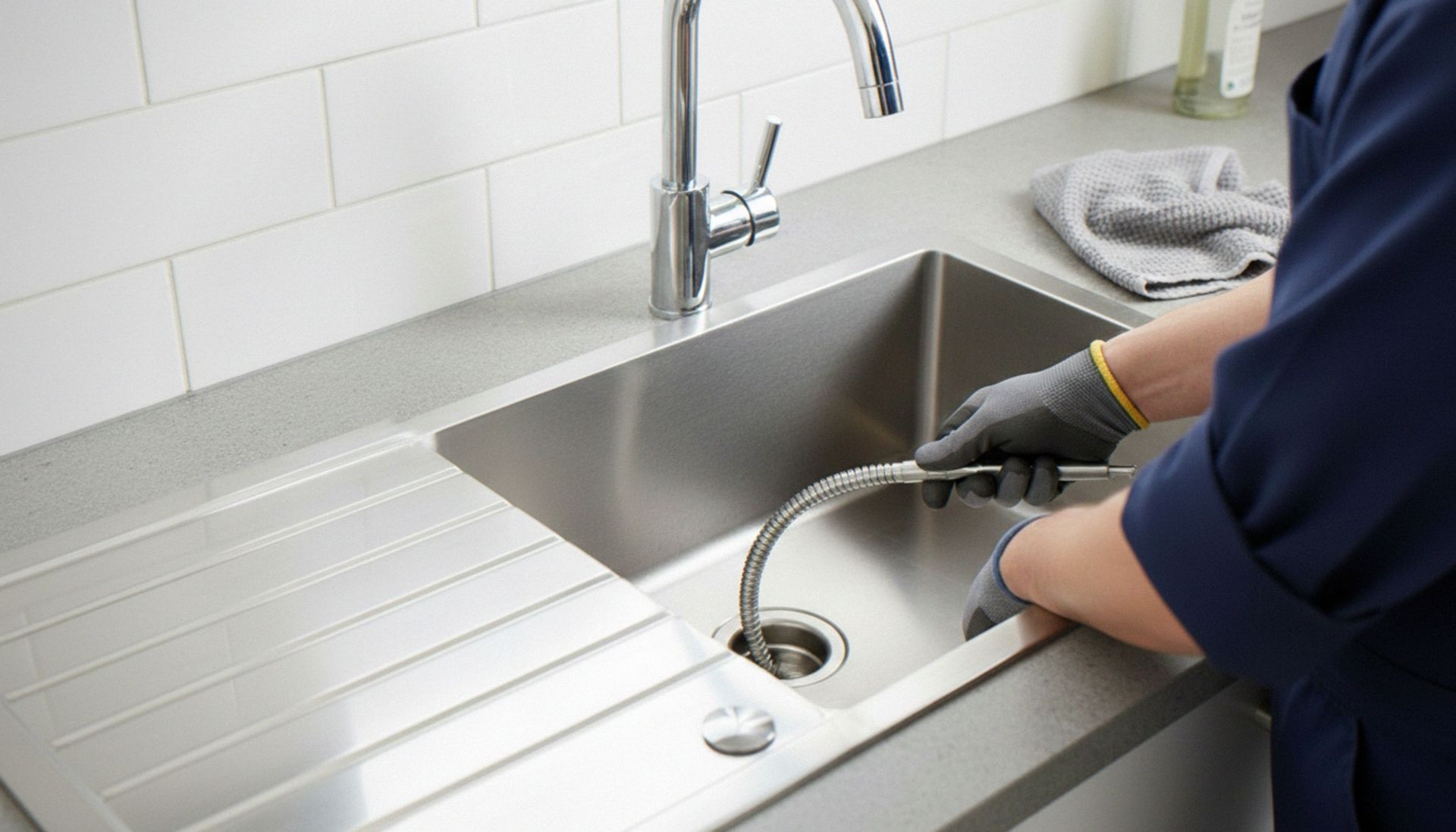
Kitchen remodels in aging Raymond-area, Terry, and Bolton homes frequently uncover undersized drain lines and outdated supply connections that need upgrading before new fixtures can be installed. Drain line diameter and slope are checked before connecting any new kitchen sink or dishwasher, because a drain that worked for a single-basin sink often can't handle the load from a double-basin sink and a garbage disposal running simultaneously. Tru-Flow Services inspects what's behind the cabinet before connecting anything new, and that inspection-first approach catches hidden problems before walls go back up and saves you from expensive callbacks.
Garbage disposal compatibility and drain load capacity are verified before installation—older drain lines may lack the diameter or slope to handle disposal discharge, and dishwasher air gaps must connect to a properly vented drain to prevent backflow into the appliance.
Arrange an on-site consultation to review your kitchen layout and assess existing drain line capacity before remodel work begins.
Why Drain Load Capacity Matters for New Fixtures
Drain load is calculated based on fixture units—a kitchen sink counts as two units, a dishwasher adds another two, and a garbage disposal increases flow rate and particle load without changing the unit count. When the existing drain line is only one-and-a-half inches in diameter, it can't handle three or four fixture units draining at once, and water backs up into the sink basin or the dishwasher pan.
After kitchen plumbing is upgraded, drains clear quickly even when the sink, dishwasher, and disposal run together, supply lines deliver steady pressure to the faucet and any pot filler or filtered water tap, and no leaks appear under the cabinet during heavy use. Licensed and insured with 27 years of experience, Tru-Flow Services backs every kitchen job with a warranty on labor and parts, and the work is done without rushing through critical connection points.
Supply line shutoff valves are tested before new fixtures are connected, and braided stainless steel supply lines replace rubber hoses proactively to reduce the risk of rupture under the sink.
What Property Owners Usually Ask
Kitchen plumbing questions often involve drain capacity, garbage disposal requirements, and what gets inspected before fixture installation begins in Jackson-area homes.
What causes kitchen drains to back up during remodels?
Undersized drain lines and improper slope are the two most common causes—older homes in Raymond and Terry often have one-and-a-half-inch drains that can't handle modern fixture loads, and flat or reverse slope prevents waste from clearing.
How is garbage disposal compatibility verified?
The existing drain diameter, trap configuration, and vent connection are checked to confirm the disposal discharge can flow without creating backpressure that slows drainage or causes gurgling at other fixtures.
When should drain lines be replaced instead of reused?
If the line is undersized for the new fixture load, shows corrosion or buildup that restricts flow, or lacks proper slope, replacement is necessary before connecting the sink or dishwasher.
What gets tested before a new kitchen faucet is installed?
Shutoff valve function is tested by closing and reopening the valve under pressure, and supply line condition is inspected for corrosion, kinks, or age-related wear that could cause leaks after the new faucet is connected.
Why do dishwasher drain connections require air gaps?
The air gap prevents wastewater from siphoning back into the dishwasher when the sink drains, which protects the appliance from contamination and meets code requirements in most Mississippi jurisdictions.
Tru-Flow Services checks what's behind the cabinet before connecting anything new, protecting your investment in the remodel and preventing callbacks. Request a project evaluation to assess your existing drain and supply lines before your kitchen upgrade begins.